Traceability Back To The Mill
Buyers increasingly ask for the mill, not just the refinery. What a traceable chain looks like on paper, and where it usually breaks.
Buyers used to ask which refinery supplied the material. More of them now ask which mill, and a chain that answers the first question does not automatically answer the second.
On paper a traceable chain is a series of hand-offs, each one naming what was received, from whom, and what left. Trace it backwards and every step should be able to point at the step before it — refinery to mill, mill to the fruit it processed — without a gap where the material is simply described as bought.
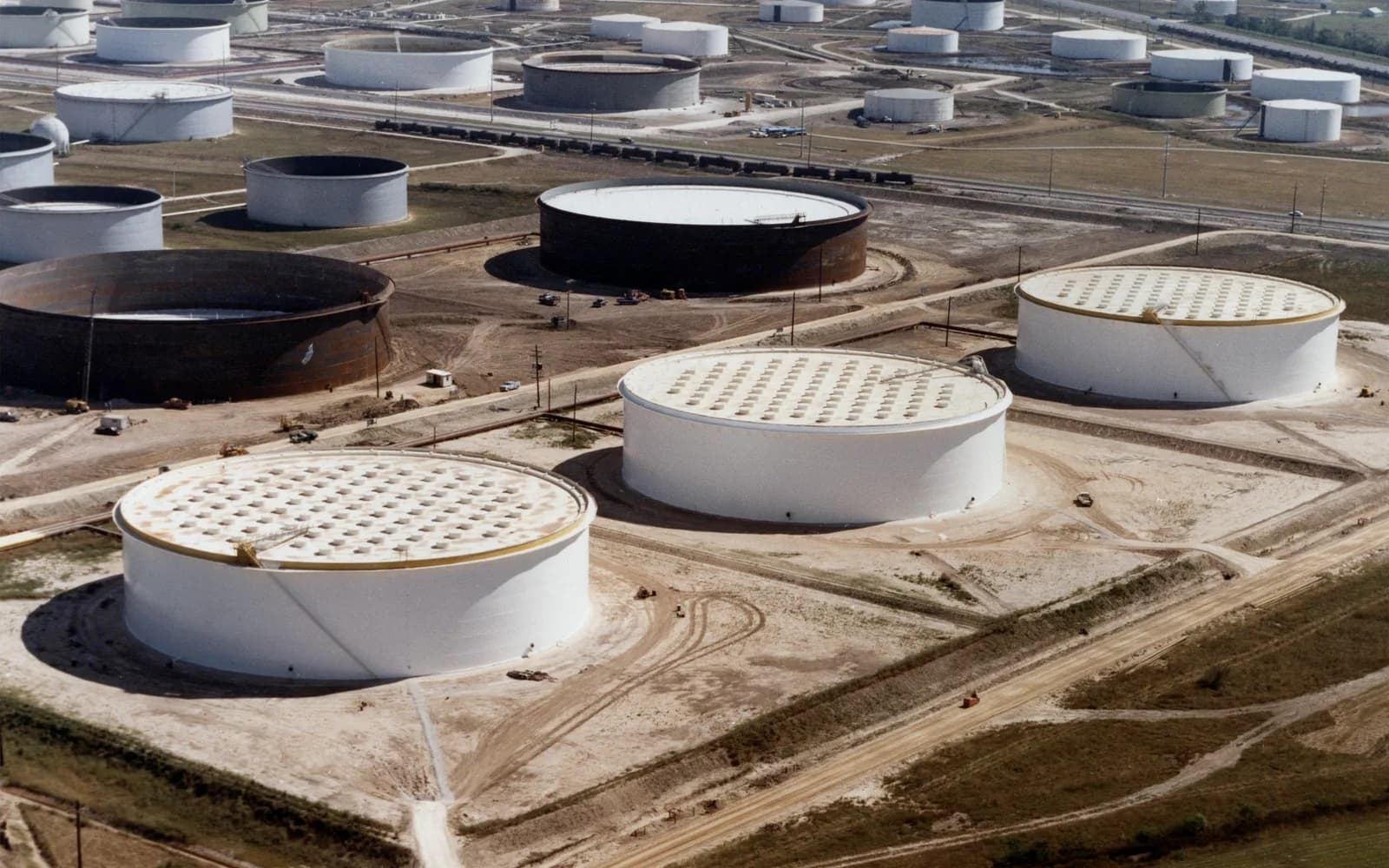
It usually breaks at the points where volumes are pooled. Storage that holds several sources in one tank, and administrative accounting that balances certified volumes rather than following physical ones, both make a chain that is honest in aggregate and silent about any particular drum.
Ask for it early. Traceability that was not asked for at the order is difficult to reconstruct at the invoice, and impossible once the material has been blended.